If you have ever stood trackside at a professional race, you know that the ground beneath the tires is just as important as the engine under the hood. For decades, the debate in the racing world was pretty simple. You either raced on dirt or you raced on asphalt. Each had its own charm and its own set of massive headaches. But lately, things have started to shift in a really interesting direction. We are seeing the rise of hybrid racing surfaces, and honestly, it feels like we are entering a totally new era of motorsports.
It is not just about dumping some gravel on top of concrete anymore. Engineers and track designers are getting incredibly smart about how they blend materials to create something that offers the grip of a traditional track with the unpredictable excitement of off road racing. As someone who has watched a lot of races turn into boring processions, this change is a breath of fresh air.
Why Traditional Surfaces Are Not Enough Anymore
Standard asphalt is great for speed, but it is also very predictable. Once a driver finds the racing line, they usually just stay there. This leads to a lot of follow the leader style racing which can get a bit stale after the first fifty laps. On the flip side, dirt tracks are chaotic and fun, but they are a nightmare to maintain. One heavy rainstorm and your entire weekend event is basically washed away.
Track owners are starting to realize that they need something more durable that still keeps the fans on the edge of their seats. Hybrid surfaces are the answer to that problem. By mixing synthetic fibers, specialized sands, and even recycled rubber into the base layers, they are creating tracks that can handle massive amounts of horsepower without falling apart, while still allowing the cars to slide and move in ways that make for great television.
The Science of the Synthetic Blend
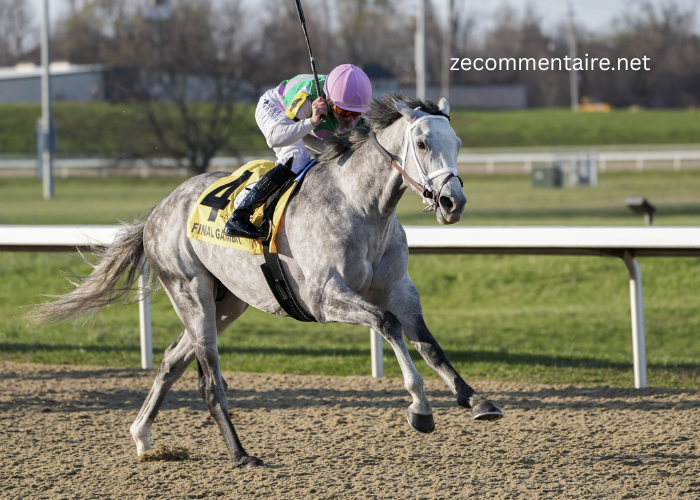
You might be wondering what actually goes into a hybrid surface. It is not a single recipe. Some tracks are experimenting with a mixture of natural turf and synthetic mesh. This is huge in horse racing already, but it is trickling down into motorized sports too. The idea is to have a root system that holds everything together so the ground doesn’t develop those massive, dangerous ruts that you see on pure dirt tracks.
In some cases, it’s about a chemical binder. They take a loose surface and treat it so that it behaves like a solid during the race but allows for a bit of “give” under high pressure. It is a bit like that non Newtonian fluid stuff you played with in school. It stays firm when it needs to, but it absorbs the impact of the tires differently than cold, hard pavement. This means less wear on the car and a much more forgiving ride for the driver when they push it too far.
Better Safety for Drivers and Fans
One of the biggest wins for these new surfaces is safety. Hard crashes on asphalt are brutal because the ground doesn’t absorb any energy. The car takes the full hit, and the driver feels every bit of it. Hybrid surfaces, especially those with rubberized components or softer top layers, act like a giant cushion. It might only be a few inches of “softness,” but in a high speed crash, that can be the difference between walking away and a trip to the hospital.
Also, we have to talk about dust. If you have ever been to a dirt track race like heros turf vip, you know that by the end of the night, everyone is covered in a fine layer of silt. It is hard for the drivers to see and it isn’t great for the fans either. Newer hybrid materials use dust suppressants and moisture retaining fibers to keep the air clear. You get the sliding action of a loose track without the blinding cloud of dirt. It makes the whole experience much more professional and easier to enjoy.
Environmental Impacts and Sustainability
We can’t ignore the “green” side of things either. Building a massive asphalt track requires a lot of petroleum based products and a ton of energy. Many of the newer hybrid surfaces are leaning heavily into recycled materials. Old tires are being ground up to create the base layers, which is a fantastic way to keep that rubber out of landfills.
Because these tracks are more durable, they don’t need to be resurfaced nearly as often. This saves a massive amount of money and resources over the long haul. A track that lasts ten years instead of five is a huge win for the owners and the local environment. Plus, some of these surfaces are designed to be more permeable, meaning rainwater can soak through them rather than just pooling up or causing erosion around the edges of the facility.
What This Means for the Fans
At the end of the day, we just want to see good racing. We want to see drivers fighting for position and taking risks. Hybrid surfaces allow for multiple racing lines. Because the grip levels vary across the width of the track, a driver might find more speed on the outside even if it looks like the long way around.
It adds a layer of strategy that wasn’t there before. The crew chiefs have to guess how the surface will change as it heats up or gets packed down over the course of the day. It turns every race into a bit of a puzzle. I think that is what makes the future so bright. We are moving away from “perfect” tracks and going back to something that requires more skill and adaptability.
A New Chapter for Racing
It is an exciting time to be a fan of anything on wheels. While it might take some time for every local track to upgrade to these fancy new materials, the trend is definitely moving in that direction. We are seeing a blend of old school grit and high tech engineering that is going to make the next decade of racing look unlike anything we have seen before.
Whether you like the roar of an engine or the quiet hum of an electric racer, the ground they drive on is going to be the silent hero of the show. It is safer, it is cleaner, and most importantly, it is making the sport we love a lot more fun to watch. I for one am ready to see what happens when the green flag drops on these new surfaces.