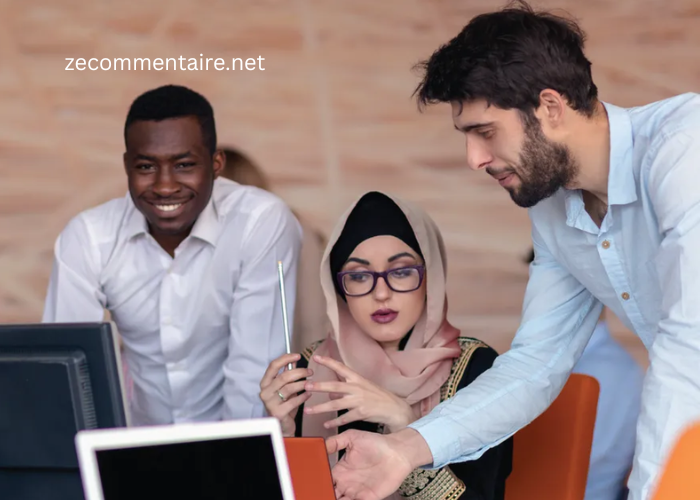
The world of social media used to feel like a very small, very polished bubble. If you spent much time on Instagram or YouTube a few years back, you probably noticed a specific “look” that dominated every feed. It was often filtered, usually affluent, and, to be honest, pretty one dimensional. But things are shifting now. People are tired of seeing the same five faces and the same narrow lifestyles. We want to see the world as it actually looks, which is messy, colorful, and incredibly diverse. Diversity and inclusion aren’t just corporate buzzwords anymore; they’ve become the heartbeat of how we consume content today.
The shift from perfect to real
For a long time, the influencer industry was obsessed with perfection. You had to have the perfect skin, the perfect house, and follow a very specific set of beauty standards to get noticed by big brands. It felt a bit like high school where only the “cool kids” got a seat at the table. But audiences started getting bored. We realized that following someone who doesn’t look like us or live a life we can relate to feels a bit hollow after a while.
Now, there is a massive move toward authenticity. People are following creators who speak about their real struggles, their unique cultural backgrounds, and their physical differences. This change is great because it allows for a much wider range of voices to be heard. It isn’t just about checking a box or meeting a quota anymore. It is about the fact that different perspectives actually make the internet a more interesting place to hang out.
Why representation matters for the audience
When you see someone on your screen who shares your heritage, your body type, or your disability, it does something to your brain. It makes you feel seen. I remember talking to a friend who said she never saw a fashion influencer who looked like her until a couple of years ago. Before that, she just assumed certain clothes weren’t “for” her. That is the power of representation. It gives people permission to exist in spaces they previously felt excluded from.
Inclusion in the influencer space means that a kid growing up in a small town can see a successful creator who wears a hijab or uses a wheelchair and think, “Hey, I can do that too.” It breaks down those invisible walls. Brands are starting to realize this too. They’re seeing that if they only work with one type of person, they’re basically telling a huge portion of their customers that they don’t matter. And in today’s world, that’s a quick way to lose business.
Brands are finally waking up
It has taken some time, but companies are finally moving past performative activism. You know the type, where a brand posts a black square or a rainbow flag once a year but their actual marketing remains totally whitewashed. Consumers are much smarter than they used to be. They can smell a fake marketing campaign from a mile away. They want to see long term commitment to diversity.
We are seeing more brands sime of matildem onlyfans hire diverse creators for year round campaigns rather than just during a specific month of celebration. This is important because it treats creators of color, LGBTQ+ influencers, and creators with disabilities as the professionals they are. It’s not just about “diversity content.” It is about a Black creator showing you how to use a skincare product or a non binary influencer giving a tech review. When inclusion is woven into the everyday stuff, that’s when you know it’s actually working.
The pay gap issue that nobody likes to talk about
Even though we see more faces of different backgrounds on our feeds, there is still a big elephant in the room. The pay gap in the influencer industry is a very real thing. Studies have shown that creators of color often get paid significantly less than their white counterparts for the exact same amount of work and reach. It’s a frustrating reality that many influencers are starting to speak out about.
Inclusion isn’t just about putting a photo on a website. It is about making sure the people behind the photos are being compensated fairly. Real progress happens when the “behind the scenes” stuff matches the public image. Transparency is becoming a huge deal now. Influencers are talking to each other more, sharing their rates, and demanding that brands do better. It’s a bit of a bumpy road, but these conversations are necessary to move the industry forward in a way that’s actually fair for everyone involved.
The rise of micro communities
One of the coolest things about this push for inclusion is the rise of micro communities. Instead of everyone following the same ten mega celebrities, we are all finding our own niches. You can find a community for literally anything. Whether it’s neurodivergent creators sharing life hacks or indigenous creators teaching their language through short videos, these smaller spaces are where the real magic happens.
These creators might not have millions of followers, but their impact is huge. They build deep trust with their audience because they are speaking to a very specific, often underserved experience. This is where the influencer industry is heading. It’s becoming less about being “famous” and more about being a leader within a community that actually cares about what you have to say.
Looking toward a more inclusive future
So, where do we go from here? The progress we’ve seen is awesome, but we aren’t at the finish line yet. Inclusion shouldn’t feel like a trend that will eventually go out of style. It needs to be the standard. We need more diversity in the talent agencies, the marketing firms, and the boardrooms where these deals are made. When the people making the decisions are diverse, the content they produce naturally becomes more inclusive.
As followers, we have a lot of power too. We can choose who we support with our likes, our comments, and our money. By following a diverse range of voices, we help ensure that these creators keep getting opportunities. The influencer industry is constantly evolving, and it’s finally starting to reflect the beautiful diversity of the real world. It makes the digital space feel a lot more like home for everyone, and that is something worth celebrating. Let’s hope the industry keeps pushing the envelope and doesn’t get comfortable. There is always room for more voices at the table.