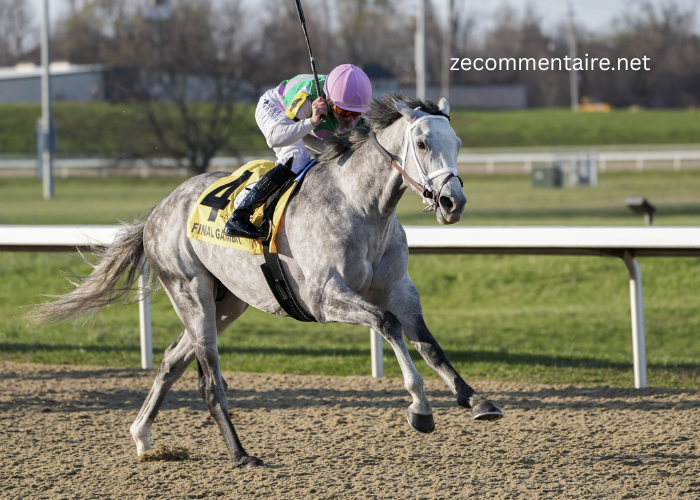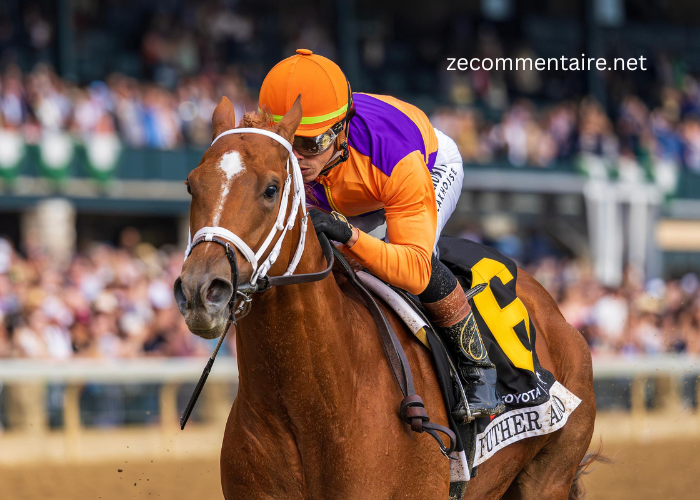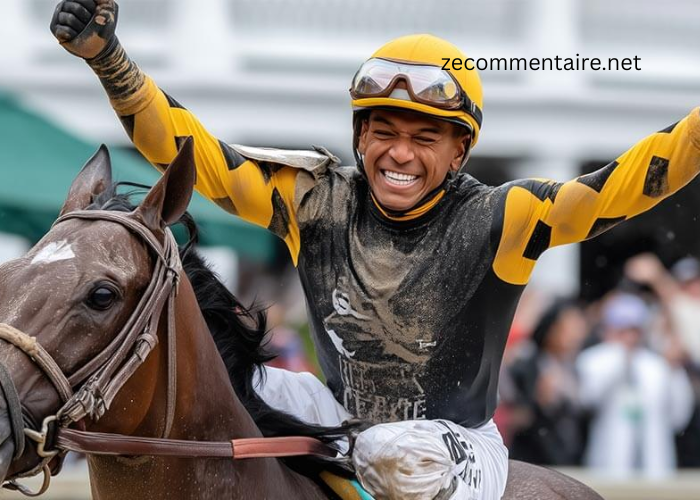
When you watch a horse race on the grass, it often looks like a beautiful, sweeping flow of color and motion. To the casual observer, it might seem like the fastest horse simply wins by running the hardest. But if you spend enough time around the track, you realize that turf racing is actually a high stakes game of chess played at forty miles per hour. At the center of that game is the jockey. While the horse provides the engine, the jockey provides the brain. On the turf, a rider’s split second decisions usually matter a lot more than they do on a dirt track.
I’ve always felt that turf jockeys are a special breed. They need an incredible amount of patience and a very specific kind of internal clock. If they move too early, the horse runs out of steam. If they wait too long, they get trapped behind a wall of tired horses with nowhere to go. It’s a delicate balance that separates the legends from the average riders.
The Art of Saving Ground
One of the first things you’ll notice about a great turf jockey is their obsession with the rail. Because most turf races are longer and involve more turns than dirt sprints, every extra foot a horse travels matters. If a jockey stays three wide around two turns, they might easily give up thirty or forty feet of distance. In a sport where races are won by inches, that is a massive disadvantage.
A skilled rider will tucked their horse in behind the leaders, skimming the rail to keep the path as short as possible. But there is a catch. Stays on the rail means you are at the mercy of the horses in front of you. You’ll see jockeys constantly glancing around, looking for that tiny opening that might appear when the leader starts to tire. It takes nerves of steel to stay down on the inside when you’re staring at the back of another horse, just hoping the gap opens in time.
Judging the Pace and the Internal Clock
Turf races in America often start out very slowly and end with a frantic dash. In Europe, the pace might be more sustained. A jockey has to know exactly how fast they are going without looking at a stopwatch. This is what we call an internal clock. If the leader is setting a “crawl” up front, a smart jockey knows they can’t sit too far back. If they do, the leaders will have too much energy left for the finish, and nobody will be able to catch them.
On the other hand, if the pace is blistering, a veteran jockey in casacourses and it will ignore the urge to chase. They’ll let the horse find a comfortable rhythm, confident that the front runners will collapse later on. You can really tell the experience level of a rider by how calm they stay when the rest of the field is working hard. Sometimes the best thing a jockey can do is absolutely nothing at all until the final quarter mile.
Negotiating Traffic and Finding the Clear Path
Perhaps the most stressful part of being a turf jockey is dealing with traffic. Unlike dirt racing, where the field tends to string out, turf fields often stay bunched together in a tight pack. It’s like driving in rush hour traffic but with twelve thousand pound animals that don’t have brakes. A jockey has to be a master of anticipation. They aren’t just looking at the horse in front of them; they are looking two or three horses ahead to see who is struggling.
When a gap finally starts to show, the jockey has to commit instantly. There is no room for second guessing. If they hesitate for even a second, another rider will fill that hole. It’s a physical and mental battle. You’ll see riders use their weight and their presence to hold their spot or to gently nudge a path open. It’s not about being reckless, it’s about being assertive. A jockey who is too polite on the turf is a jockey who rarely visits the winners circle.
Communication Between Horse and Rider
People sometimes forget that horses are sensitive creatures. They can feel the jockey’s heartbeat through the saddle and sense tension in the reins. A great turf jockey knows how to keep a horse “turned off” or relaxed during the early parts of the race. If a horse gets too excited and starts fighting the rider, they waste all their precious oxygen and energy.
The best riders have a way of communicating that it isn’t time to go yet. They use soft hands and a steady seat to keep the horse calm. Then, when the time is right, they “ask” the horse for their best effort. This might be a shift in weight, a chirping sound, or a shake of the reins. Seeing that sudden gear change when a horse responds to their rider is the most exciting part of the sport. It’s a true partnership where the horse trusts the human to guide them through the chaos.
Final Thoughts on the Tactical Battle
At the end of the day, a jockey is part athlete, part navigator, and part psychologist. On the turf, the physical strength of the horse is only half the story. The other half is the tactical brilliance of the person in the irons. Next time you watch a big grass race, try to ignore the lead horse for a minute and watch the jockeys in the middle of the pack. Watch how they move, how they wait, and how they hunt for that winning lane. It’ll give you a whole new appreciation for just how difficult their job really is. Winning on the turf is never an accident; it is a calculated masterpiece.