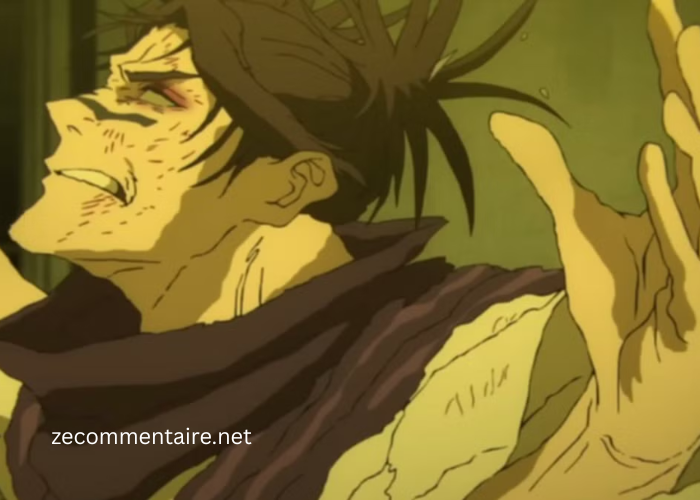
When most people think of anime, they usually picture big eyes, spiky hair, and maybe some epic battle scenes with lots of shouting. And while that is definitely a huge part of the medium, there is a whole other world under the surface that is much more daring. Anime has this incredible history of pushing the boundaries of what animation can actually do. It is not just about telling a story with drawings. It is about using every visual trick in the book to make the audience feel something deeply unsettling or incredibly beautiful.
I remember watching my first experimental series and feeling like my brain was being rewired. It was weird, it was messy, and it didn’t follow any of the rules I was used to. That is the beauty of experimental animation. It takes a risk. Sometimes it works, sometimes it’s just strange, but it is always memorable. Let’s dive into some of the coolest ways Japanese animators have played with the medium to create something truly unique.
Mixing Media and Real World Textures
One of the most striking techniques used in experimental anime is the blending of traditional 2D drawings with real world photography or collage elements. This creates a very “dreamlike” or sometimes “nightmarish” effect because your brain is trying to process two different types of reality at once. You see a cartoon character walking through a world made of actual cut out magazine photos or real fabric textures.
A great example of this is the work seen in the Monogatari series or during the witch lab sequences in Madoka Magica. Instead of a standard painted background, you get these jagged, shifting patterns of lace, old photos, and abstract shapes. It makes the world feel unstable. It’s like the animators are telling you that the character’s mental state is falling apart. It is much more effective than just drawing a sad face. It makes the environment itself feel like an emotion.
The Beauty of Minimalist Rotoscoping
Rotoscoping is a technique where animators trace over live action footage frame by frame. Usually, the goal is to make things look as realistic as possible. But in experimental anime, they often do the opposite. They use rotoscoping to create a sense of “uncanny” realism. The movements are perfectly human, but the art style might be very simple or even a bit shaky.
Think about a show like The Flowers of Evil. When it first came out, people actually hated it because it looked so different. The characters didn’t have those classic “pretty” anime faces. They looked like real, slightly awkward teenagers. But that was exactly the point. By using this technique, the creators made the tension and the social anxiety of the story feel almost suffocatingly real. It wasn’t comfortable to watch, and that is exactly why it was a masterpiece of experimental art.
Playful Use of Aspect Ratios and Framing
We are all used to watching things in a standard widescreen format, but experimental imbapovi anime loves to play with the literal “box” the story sits in. Some directors will suddenly shrink the screen down to a tiny square to show that a character feels trapped. Or they might use “split screen” effects in ways that feel more like a comic book page than a movie.
There is also the use of “white space.” Sometimes, the most powerful thing an animator can do is draw nothing at all. You might have a tiny character in the corner of a vast, empty white screen. It highlights loneliness better than any dialogue could. This kind of framing forces you to look where the director wants you to look. It breaks the “cinematic” illusion and reminds you that you are watching a piece of art that was carefully constructed to manipulate your perspective.
Distorted Perspectives and Line Work
Traditional animation usually tries to keep things consistent. If a character walks toward the camera, their proportions stay the same. In experimental styles, however, proportions are treated more like suggestions. If a character is feeling overwhelmed, their hands might grow to a giant size, or the entire room might start to warp and melt around them.
The line work itself can change too. In some scenes, the lines might become thick and scratchy, looking like they were drawn with a charcoal pencil in a hurry. In others, they might disappear entirely, leaving only blobs of color. This fluidity allows the animation to mimic the flow of a person’s thoughts. It is a very “stream of consciousness” way of working. It’s messy and imperfect, but it feels more human because our own feelings are rarely neat and tidy.
The Impact of Abstract Color Palettes
Color is a massive tool for any artist, but experimental anime takes it to the extreme. Some shows will suddenly switch to a neon, high contrast palette for no apparent reason, or go completely monochromatic with just one bright splash of red. It’s not meant to be realistic. It’s meant to be psychological.
Using “unnatural” colors can represent a shift in the soul. Maybe the world turns blue when a character feels a sense of calm, or everything turns into a hazy, washed out grey when they lose hope. This kind of visual storytelling bypasses the logical part of our brain and goes straight to our gut. You don’t need to be told how to feel because the colors are already doing the work for you.
Why We Need These Weird Techniques
At the end of the day, experimental animation is what keeps the medium alive. If every anime looked exactly like the biggest hits on TV, we would all get bored eventually. We need those weird, clashing textures and shaky lines to remind us that animation is an art form with endless possibilities.
These techniques allow creators to talk about things that are hard to put into words. They capture the feeling of a dream, the sharp sting of a panic attack, or the fuzzy warmth of a first crush in ways that traditional styles just can’t. So, next time you come across an anime that looks a bit “off” or “strange,” give it a chance. You might just be looking at the most honest piece of storytelling you’ll see all year. It is the imperfections and the risks that truly make it beautiful.