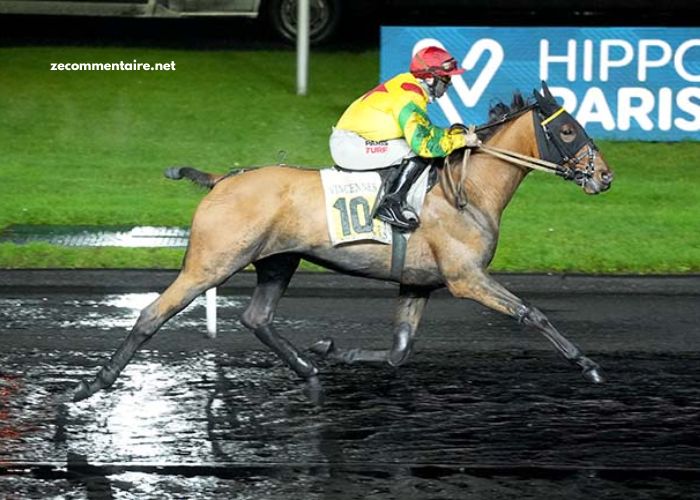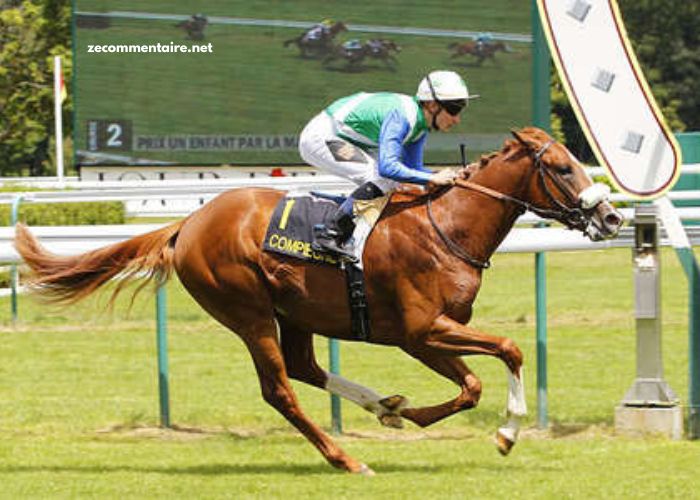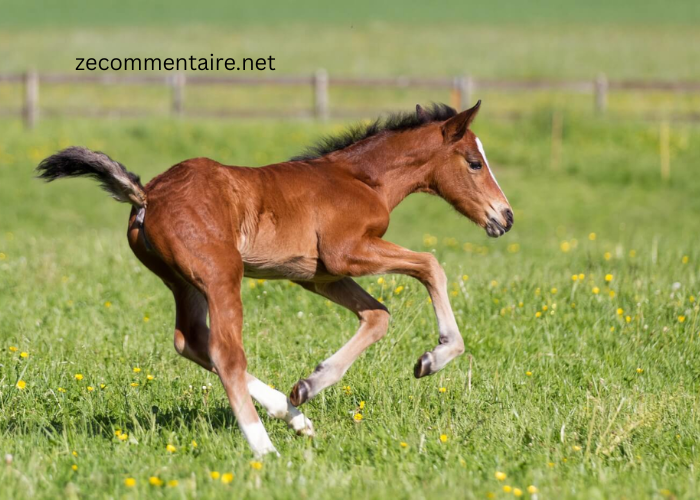
Horse turf racing is one of the oldest and most exciting forms of competitive sport in the world. It involves horses racing on grass tracks, commonly known as turf, where speed, stamina, and strategy all play important roles. Over the years, turf racing has developed into a global sport with a rich history, strong traditions, and a passionate fan base. For beginners and enthusiasts alike, understanding key facts about horse turf racing can make the sport even more interesting.
Turf Racing is Different from Other Surfaces
One important fact about horse turf racing is that it is different from dirt or synthetic track racing. Turf surfaces are generally softer and more natural, which affects how horses perform. Some horses run better on turf because it reduces impact on their legs, while others may prefer firmer surfaces like dirt tracks. The condition of the turf can also change depending on weather. Rain can make the track soft and slow, while dry weather creates faster racing conditions. This makes turf racing more unpredictable and exciting for both participants and spectators.
Horses Have Special Track Preferences
Not all horses perform equally on every surface. Some horses are naturally better suited for turf racing due to their running style, body structure, and training. Trainers often study a horse’s performance history to decide which surface is best for them. This preference is one of the most important strategies in racing. Choosing the right track type can significantly impact a horse’s chances of winning.
Jockey Skill Plays a Major Role
While the horse is the main athlete, the jockey plays a crucial role in turf racing. A skilled jockey must understand the horse’s behavior, manage speed, and make quick decisions during the race. Positioning is especially important in turf racing because grass tracks often require tactical movement. A well timed acceleration or a smart lane choice can make the difference between winning and losing.
Turf Racing Has a Long History
Horse turf racing in jepturf has ancient origins and has been practiced for centuries in different parts of the world. Countries like the United Kingdom, France, and Australia have long traditions of organized turf racing events. Over time, the sport has grown into a global phenomenon with prestigious tournaments and international competitions. These historical roots have helped shape modern racing rules, training methods, and event structures.
Weather Conditions Affect Performance
One of the most interesting facts about turf racing is how strongly it is influenced by weather. Unlike artificial tracks, turf is natural and reacts directly to environmental conditions. Rain can soften the ground, making it harder for horses to maintain speed. Dry conditions, on the other hand, can create faster but more demanding tracks. Trainers and jockeys must constantly adapt their strategies based on weather forecasts.
Training is Highly Specialized
Training a racehorse for turf racing requires a careful and disciplined approach. Horses undergo structured workouts to build stamina, speed, and balance. Trainers also focus on diet, recovery, and mental conditioning. Every horse has a unique training plan based on its strengths and racing goals. This personalized approach helps maximize performance during competitions.
Turf Racing is a Global Sport
Today, horse turf racing is popular in many countries around the world. Major racing events attract international participants and large audiences. The sport is not only a form of competition but also a cultural event in many regions. From local race tracks to world famous racing festivals, turf racing continues to grow in popularity and global recognition.
Betting is Part of the Tradition
Betting has long been associated with horse turf racing. For many fans, placing bets adds excitement and engagement to the experience. It encourages viewers to study horses, analyze past performances, and understand racing conditions more deeply. However, responsible participation is important to maintain fairness and enjoyment within the sport.
Conclusion
Horse turf racing is a fascinating sport filled with history, strategy, and unique characteristics. From weather influenced tracks to specialized training and skilled jockeys, every detail plays a role in shaping the outcome of a race. Understanding these facts helps fans appreciate the complexity and beauty of turf racing. As the sport continues to evolve globally, it remains a thrilling combination of tradition, skill, and excitement.