Understanding Shipping Containers: The Basics You Need to Know
The Different Types of Shipping Containers Explained
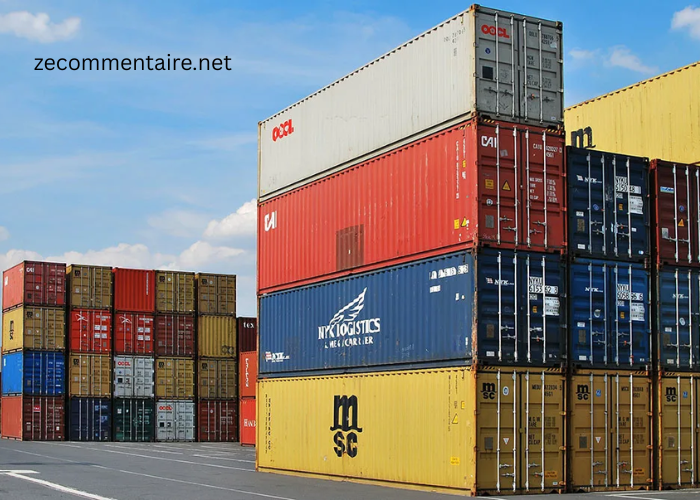
Shipping containers serve as a vital backbone for global trade, and they come in various types designed to accommodate different needs. The most commonly recognized are the standard dry containers, available in 20-foot and 40-foot sizes. These containers are typically used for general cargo and are versatile due to their robust structure, making them suitable for a myriad of applications. Another type is the refrigerated container, often referred to as a reefer. These containers are equipped with temperature control systems, making them essential for transporting perishables such as food and pharmaceuticals. Additionally, specialized containers, including flat racks, open-top containers, and tank containers, exist for specific cargo requirements, offering more customized solutions. Understanding the nuances of each type can be pivotal in ensuring you select the right container for your intended use.
Common Uses for Shipping Containers Beyond Shipping
While shipping containers’ primary purpose is for transportation, their uses extend far beyond that. Many individuals and businesses have tapped into the versatility of these containers for innovative ventures. For instance, shipping containers can be transformed into mobile offices, pop-up shops, or even trendy cafes, providing a unique aesthetic and functionality. In the realm of construction, containers are increasingly being used as building blocks for homes and multi-unit complexes, reflecting a growing trend towards sustainable living solutions. With proper insulation and ventilation, they can be modified for comfortable living spaces, aligning with ecological goals. Moreover, containers can serve as storage solutions both for personal and business needs whether it’s for seasonal items, excess inventory, or valuable equipment. With a little creativity, the possibilities are nearly limitless, making shipping containers an attractive investment.
Factors Influencing Shipping Container Prices in Today’s Market
The prices of shipping containers are subject to various influences that can fluctuate based on market demands. One primary factor is the global supply chain and its current state disruptions due to pandemics, geopolitical tensions, and economic shifts can drastically affect availability and costs. Furthermore, the condition of the container plays a crucial role; new containers typically come at a premium price compared to used ones. The demand for specific types of containers, such as refrigerated units or those designed for hazardous materials, can command higher prices due to their specialized nature. Regional price variations also exist, influenced by local infrastructure, transport costs, and availability, making it essential for buyers to conduct thorough research to ensure they are getting a fair deal in their specific area.
The Online Shopping Experience: Navigating the Digital Marketplace
Where to Find Reputable Sellers for Shipping Containers
When venturing into the online marketplace for shipping containers, knowing where and how to buy shipping containers online from reputable sellers is essential to ensure both quality and dependable service. A wide range of platforms offer containers for purchase, from specialized websites dedicated exclusively to container sales to broader online marketplaces such as eBay or Craigslist. Despite the convenience, carefully evaluating the seller remains critical; choosing providers with a proven track record, positive customer reviews, and verifiable business credentials is a smart starting point. In addition, industry-focused websites often feature directories of container suppliers and manufacturers, making it easier to identify reliable sources. Participating in local forums or social media communities centered on shipping containers can also help buyers gain firsthand insights, recommendations, or cautions from others with prior purchasing experience.
Understanding the Shipping and Delivery Process for Online Purchases
Navigating the shipping and delivery process of online container purchases involves several considerations that can impact your overall experience. First, it’s essential to clarify the terms of delivery with the seller. Many reputable sellers will include delivery in their service, but costs can vary widely based on the distance from the seller’s location to your desired site. Additionally, understanding the logistics involved, such as port fees, customs duties for international purchases, or additional fees for offloading and setup, is crucial. Ensuring that the seller has a good reputation for making timely deliveries can save considerable stress and potential delays. Reviewing the tracking options and understanding how to communicate effectively with the seller regarding delivery schedules can also create a smoother process.
Leveraging Customer Reviews: How to Spot Red Flags
Customer reviews serve as a crucial tool for prospective buyers in assessing the credibility of sellers in the online shipping container market. When browsing through reviews, pay attention to both the quantity and quality; a vast number of reviews with an emphasis on detailed personal experiences reflect a more trustworthy seller. Look for specifics regarding the condition of the container upon delivery, customer service responsiveness, and reliability of shipping timelines. Beware of sellers with an excessive number of vague reviews or a trend of negative feedback, which may indicate underlying issues. Moreover, consider seeking feedback from multiple sources, as this can provide a more balanced view of their reputation. Red flags might include complaints about hidden fees, unsatisfactory product quality, or poor communication factors that could profoundly affect your purchasing experience.
Choosing the Right Container: Evaluating Quality and Condition
New vs. Used Containers: Which One Should You Pick?
The decision between new and used shipping containers involves weighing the pros and cons to determine which option aligns best with your project goals and budget. New containers, while more costly, come with a guarantee of structural integrity and often retain a higher resale value. They are ideal for buyers seeking a pristine product with minimal wear and potential defects. Conversely, used containers offer substantial savings and can be an excellent option for those who need a reliable container without the premium price tag. Moreover, if you plan to modify the container for instance, converting it into a living space or office a used unit can be appealing, as imperfections can be less of a concern. It’s essential, however, to have a thorough understanding of the container’s condition, as structural damage, rust, or leaks could affect its usability.
Inspection Guidelines: What to Look for When Buying Online
When purchasing shipping containers online, it’s vital to adopt a diligent approach to inspection, even if you can’t physically view the container before making a purchase. Start by requesting detailed photographs, including interior and exterior views highlighting all sides, the door seals, and corner posts. Look for signs of rust, dents, or any indication of previous repairs that might signal long-term issues. Moreover, inquire about the container’s history particularly regarding its previous usage and whether it has ever been involved in transporting hazardous materials, which may affect its structural integrity. Establishing communication with the seller allows you to ask specific questions, such as the container’s certified dimensions and weight capacity. A reliable seller will be forthcoming with information, demonstrating transparency and commitment to customer satisfaction.
How to Determine the Right Size and Specifications for Your Needs
Choosing the correct size and specifications for your shipping container is essential to ensure it meets your requirements. Containers typically come in standard sizes, with 20-foot and 40-foot lengths being the most common. The decision will largely depend on your intended purpose storage, modification, or transportation of goods so a clear understanding of your needs is fundamental. Additionally, evaluating the container’s height can be crucial, especially for items requiring vertical space or if you plan on modifying the unit. Consider the weight capacity as well; most containers can handle around 28-30 tons but be sure to check specific weight limits based on your items. Lastly, understanding the internal layout, such as loading features and whether to choose ventilation or insulation based on usage, can significantly impact your satisfaction with the container.
Post-Purchase Considerations: Making the Most of Your Investment
Modifying Your Container: Creative Ideas and Practical Tips
After purchasing a shipping container, the potential to creatively modify it presents an exciting opportunity for customization. Popular modifications include adding windows, doors, or ventilation systems to transform the container into an office, studio, or living space. Insulation and the addition of flooring can elevate comfort levels, particularly for habitation purposes. Interested in starting a mobile food business? With modifications, you can install kitchen equipment to create a fully functioning food trailer. Alternatively, for those seeking storage solutions, shelving systems can be installed for maximum space utilization. Engaging a professional who specializes in container modifications can streamline the process, ensuring safety and adherence to building codes, especially if the container will be used for public purposes. Always consider the long-term purpose and local regulations when planning modifications to maximize your investment.
Legal and Zoning Issues You Might Encounter with Shipping Containers
Before positioning your shipping container on a site, it is crucial to familiarize yourself with local zoning and legal regulations, which can vary widely by region. Many jurisdictions may have restrictions on the use of shipping containers as storage or as an alternative housing option. Building codes may also dictate how containers can be utilized, especially if they are altered for residential purposes. Understanding these laws can prevent potential fines or mandated removal of your container. Consider reaching out to local government offices or zoning boards to gain insights into any permits you may need or restrictions that may apply. Engaging with a local attorney experienced in property law can also offer clarity on how to proceed without running afoul of local regulations.
Maintenance Tips to Preserve Your Container’s Value Over Time
Proper maintenance of your shipping container is essential to preserve its condition and value over time. Regular inspections can help identify rust, dents, or structural issues early, making repairs easier and less costly. Ensure that drainage systems are functioning correctly to prevent water pooling and subsequent rusting. Cleaning the exterior periodically with a gentle cleaning solution can maintain your container’s appearance. Furthermore, if your container is frequently exposed to harsh weather conditions, applying a protective coating or paint can safeguard it from corrosion. If the container is being used for storage, including desiccants or moisture-absorbing products inside can help manage humidity levels and protect the contents within. By taking proactive measures, you can significantly extend the life of your container and ensure it remains a valuable asset.